Buying Bitcoin has never been simpler. You can do it from a mobile app in a few taps. Banks and other big companies now offer Bitcoin products too. This easy access feels like progress. But it hides one big question. Who really controls your coins?
This is why Bitcoin self custody still matters. Self custody means you hold your own keys. A key is like a password that unlocks your Bitcoin. If someone else holds your keys, they control your coins. You just have a promise that they owe you some.
You do not need to be a tech expert to understand why Bitcoin self custody matters. You just need to know one simple fact. There is a big difference between owning Bitcoin and owning a claim on Bitcoin. Once you see that difference, you can pick the setup that fits your life.
Why Bitcoin self custody changes who is in control
When you keep Bitcoin on an exchange, the exchange holds the keys. It keeps a record that says you own a certain amount. This can feel just like a bank account. It is easy to use. It is good for people who trade often.
But it comes with risks. The exchange could get hacked. It could freeze your account by mistake. It could even go out of business. Your coins might get stuck or lost in the process. This is one big reason why Bitcoin self custody still matters today.
With self custody, you hold the keys yourself. You do not need a company to approve your transaction. You are the only one who can move your coins. This gives you full control. But full control comes with a cost.
The cost is responsibility. Nobody can reset your password for you. If you lose your recovery phrase, you may lose your coins forever. A recovery phrase is a list of words that can restore your wallet. It works like a master backup key.
Some people take a photo of this phrase and save it to the cloud. That can be risky. Cloud accounts can get hacked too. So self custody is not just about downloading an app. It is really about building safe habits.
Why Bitcoin self custody depends on habits, not tools
Good security does not need to be complicated. Start with the basics. Pick a wallet with a good reputation. Keep its software updated at all times. Old software can have bugs that hackers use to break in.
Keep your recovery phrase offline. Do not type it into a website. Do not store it as a photo on your phone. Write it on paper. Some people even stamp it into metal, so it survives fire or water damage.
Never share your seed phrase with anyone. This is true even if someone claims to be "customer support." Real support teams never ask for this phrase. Scammers often pretend to be helpful staff. This trick is very common, so stay alert.
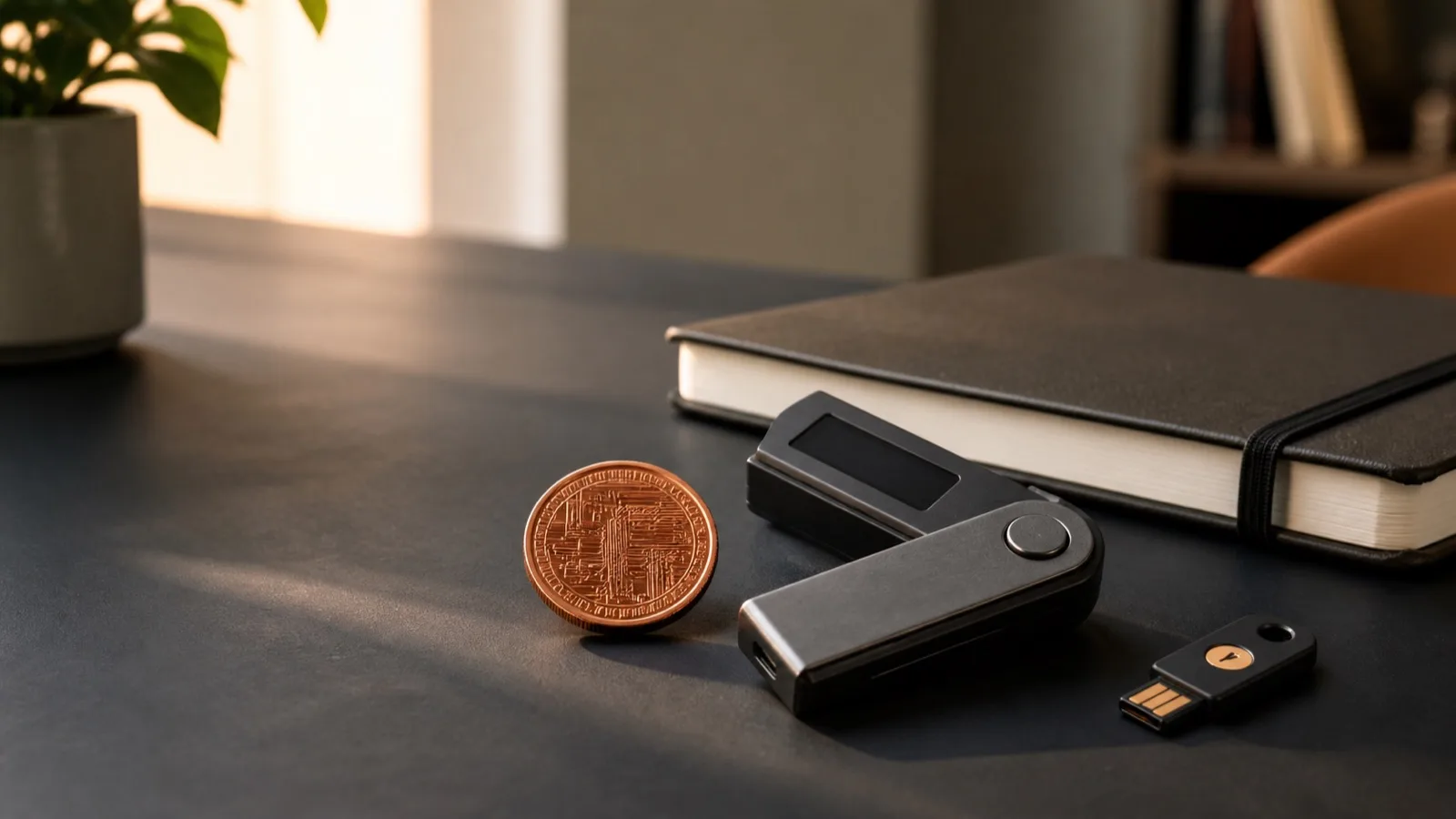
If you hold a large amount of Bitcoin, think about a hardware wallet. This is a small physical device that stores your keys offline. It never connects your keys directly to the internet. That makes it much harder for hackers to reach.
It also helps to keep a second backup. Store it in a different, secure spot. This protects you if one copy is lost or damaged. This step is a key part of why Bitcoin self custody works well long term.
Before you move a large amount, test with a small transaction first. Send a tiny bit of Bitcoin and confirm it arrives safely. Always check the address shown right on your wallet device. Scam messages often try to rush you. Slow down and stay calm during any transfer.
It also helps to split your funds. Keep small amounts for daily spending. Keep larger savings in a more secure, separate wallet. For newcomers, the Bitcoin.org wallet guide is a solid starting point. It compares different wallet types in plain terms.
Practical steps for choosing the right setup
What this means for everyday holders is simple. Match your setup to your habits, not to trends. Someone who trades daily may want quick exchange access. Someone saving for years may want strict self custody instead.
Here is a short checklist to guide that choice:
- Decide how often you plan to spend or trade your Bitcoin, since frequent traders may need faster access.
- Choose a hardware wallet if you plan to hold a large amount for a long time.
- Write your recovery phrase on paper or metal, and never save it as a digital photo.
- Store a second backup copy in a separate, secure location away from the first one.
- Test every new wallet with a small transaction before you trust it with more funds.
- Ignore urgent messages asking for your seed phrase, since real companies never request it.
This is not about looking advanced or expert. Keeping funds on a trusted platform is not careless either. The real goal is matching your setup to your needs. That is the core lesson behind why Bitcoin self custody still matters.
A balanced approach for Bitcoin holders
There is no single right answer for everyone. The right structure depends on a few honest questions. How often do you plan to use your coins? How much technical work can you handle? Do you have a real plan if you lose access?
Some people mix both approaches. They keep a small amount on an exchange for trading. They keep the rest in self custody for safety. This split can offer both convenience and long-term protection.
Financial safety groups, including guidance shared through the Consumer Financial Protection Bureau, often stress a simple point. Know exactly who controls your money and how to recover it. That advice applies directly to Bitcoin as well.
As Bitcoin connects more with normal banking, this lesson only grows more important. You may gain speed and comfort with new apps. But you should never lose track of who holds your keys. That understanding is why Bitcoin self custody still matters, even in a more connected market.
The Bottom Line
Bitcoin is easier to buy than ever before. But easy access is not the same as full ownership. Knowing where your keys live is one of the most useful skills you can build.
Self custody is not about being an expert. It is about building simple, steady habits. Protect your recovery phrase. Test small transactions first. Match your setup to your real needs. That is why Bitcoin self custody still matters, no matter how connected the market becomes.
For more context, read How Bitcoin Transactions Move From Wallet to Block.