
Trading
Limit Orders vs. Market Orders: How Each One Actually Fills on a Crypto Exchange
A market order fills immediately at the best available price while a limit order fills only at your price or better — and the difference shows up directly in…
Execution coverage for active crypto traders: choosing venues, reading spreads and funding, managing leverage, and sizing a position to survive a drawdown.
A market order fills immediately at the best available price while a limit order fills only at your price or better — and the difference shows up directly in…
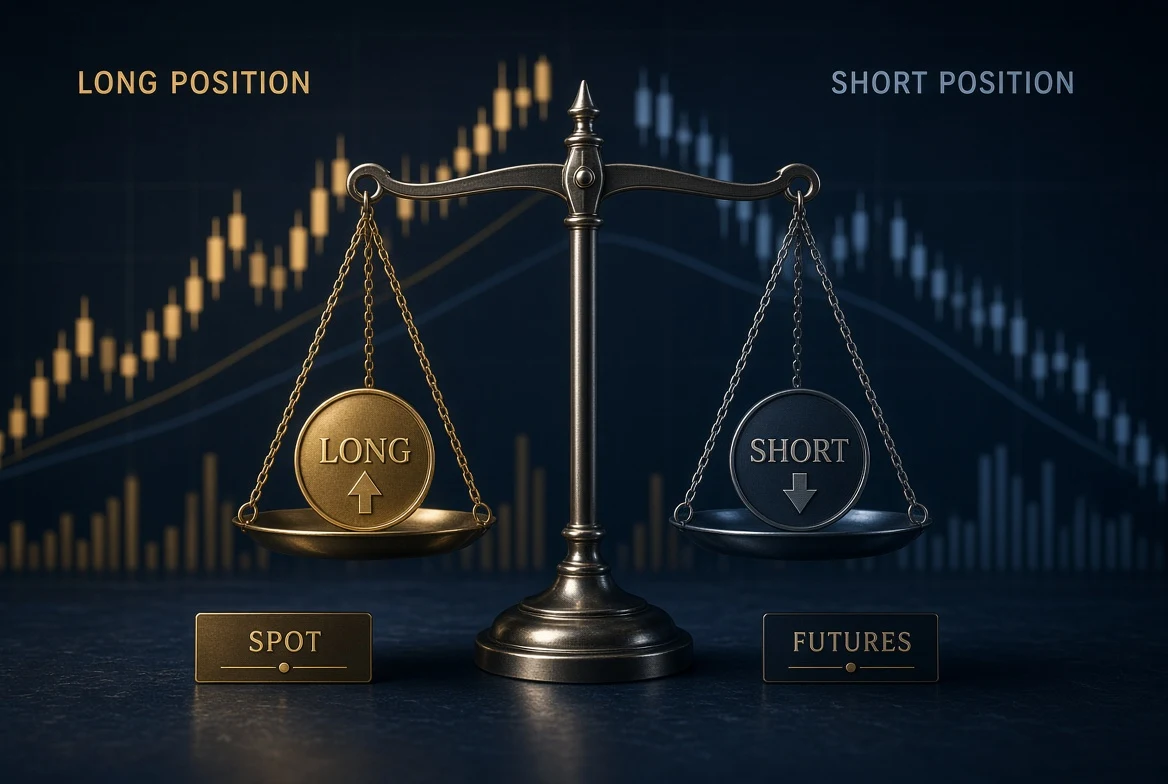
A breakdown of how market, limit, stop, and stop-limit orders execute on crypto exchanges, and the tradeoffs traders weigh between execution speed, price…
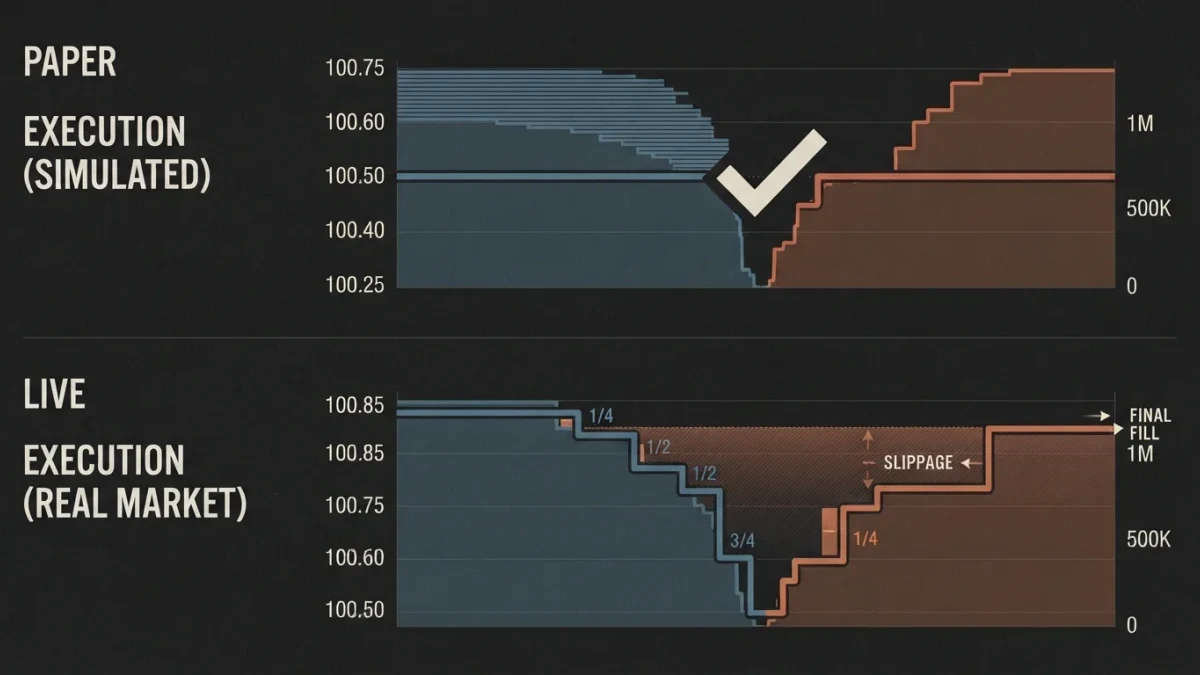
Paper trading executes simulated orders against live prices with no money at risk, which makes it excellent for testing mechanics and worse than useless for…

The same bitcoin trades at different prices on different venues at the same moment; arbitrage is the business of capturing that gap, and the gap is mostly a fee…

The basis trade buys spot bitcoin and sells the perpetual future against it, harvesting the funding the leveraged crowd pays — market-neutral in price, but not…